Showing posts with label watering. Show all posts

Mulch is a Must in Landscaping


One component of landscaping installation you can be assured will not be ignored by a professional landscaper is the necessity of mulch, initially applied and continuously maintained, for your garden beds.  Mulch is the material, usually organic, that covers the soil around your plants.  In nature, mulch is created by leaves and other decomposing matter and it is part of what encourages the growth of plants in both wild and structured landscape plans.

The basic purposes of mulch are to conserve moisture, improve the soil, discourage weed growth, and enhance visual harmony and beauty.  The next time you notice a property with an especially attractive landscape design, look a little bit closer and you will see how important the use of mulch is when it comes to an appealing flow to the design.  And of course, any thriving and healthy landscape will have proper mulching to thank for it.  There are even brightly dyed mulches that add a dose of color to entice the eye.    

Different mulch affects the soil in different ways and a professional landscaping company will be familiar with the prime choices of mulch for your particular landscape design.  Bark chips, shredded mulch, wood chips, and wood chip mulch are some examples of what may be used locally and these materials vary in appearance, cost, availability, and effect on the soil underneath.  Rocks, crushed stone, and gravel are also considered a material for the process of mulching, with its own special accommodations.

Mulch is applied as deep as six inches to keep soil temperature and moisture at a stable level.  Application of mulch decreases evaporation so plants get properly watered, and blocks sunlight so that weeds cannot sprout.  Mulch slowly decomposes into the soil, which is why it needs to be replaced periodically. 


Palm Coast Landscape Blog Highlights


This landscape blog covering Palm Coast, Flagler Beach, Ormond, Daytona, and St. Augustine is in its third year of knowledge sharing for those readers interested in Florida landscaping issues.  Here are the top five posts of all time, counting our total readership well into the thousands:

1) Century Plant and Agave in the Florida Landscape Design - Still one of the most stunning examples of our unique northeast Florida botanical elements for landscaping, this plant is as fascinating as it is beautiful.

2) Amazing Facts About the Live Oak Tree - This tree is nothing if not majestic and apparently many web searches seeking information on the live oak bring web visitors to this post.

3) The everlasting green beauty of Florida landscape design - The second blog ever posted, announcing important company news and sharing an interesting tidbit and quote about color, has stayed in the top ever since.

4) Florida Holly is Not So Festive After All - This explains in detail the truth about one of our area's most mistakenly identified trees, and even if you know its true identity, you may not know the whole story.

5) Fire Pits Add Cozy Heat to Florida Evenings - Fire pit design, as aspect of hardscaping that GreenFlex Landscaping specializes in, has gotten more popular as a functional landscape design feature.


Florida Holly is Not So Festive After All

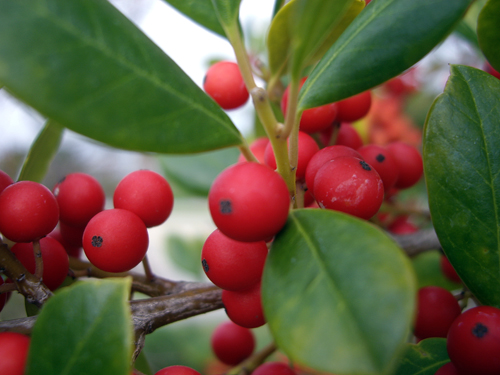
In northeast Florida as we celebrate the holidays we may enjoy the presence of "Florida Holly" trees in our yard producing red berries to enhance the season. Think again: these trees are actually a highly invasive species better known as the Brazilian-pepper tree!

Schinus terebinthifolius is also mistaken for the innocent sounding "Christmasberry" tree, but this plant is responsible for allergic skin reactions and respiratory illness (when blooming), not to mention that over 700,000 acres in Florida are covered by this weed making these areas inhospitable to native plants and wildlife.

The Brazilian-pepper tree is actually native to Brazil, Paraguay, and northern Argentina and was introduced to Florida in the 1800s to be cultivated and sold as an ornamental plant. Why does it enjoy Florida and the rest of agricultural zones 9-11 so much? Its salt tolerance is high, it will grow in any soil, has no nutritional requirements, grows very quickly, has high drought tolerance, and loves full sun.

Not at all related to holly but rather to poison ivy, this trickster has the potential to create a dense forest canopy that shades out all other foliage and produces such a poor habitat for native wildlife species that almost nothing other than the Brazilian-pepper itself will survive. It is highly prohibited to plant Brazilian-pepper tree or encourage its growth.

On an interesting note, this plant is grown for culinary purposes in other countries and marketed as "pink peppercorns" here by itself or in spice blends. Bees love the flowers of Brazilian-pepper and make honey from its nectar. Raccoons and possums eat the fruit of the plant and contribute to its spread by passing the seeds, as do seed loving birds such as the migratory American Robin. It is believed that some birds and other wildlife adore the berries of this plant for their narcotic effects at certain times of the year.

If you have "Florida Holly" in your yard, you can use its fruit-laden branches as Christmas decorations because the small bright red berries will mature between December and January. From a professional standpoint, it is never acceptable for a landscape designer to encourage these invasive species for landscaping in Ormond Beach, St. Augustine, or Palm Coast.

🦚Article by Connie Helena, author of The Green Orchid ðŸ¦š


Facts About Commercial Landscape Design and Maintenance

Landscapers specialize in both residential and commercial landscape design with an emphasis on Florida friendliness, elegant water features, expert hardscaping, outdoor low wattage lighting, and successful lawn maintenance. We take into consideration important components of a commercial landscape design that you may not realize:

1) Seasonal color changes - The flowers in bloom are different with each season. It is of paramount importance that a property have an eye catching amount of color no matter what time of year. Professional commercial landscapers have a well tuned knowledge of the flowers that thrive with each new season and will ensure they are planted at the right time and encouraged to their peak of beauty.

2) Handicapped accessibility - It is not just indoor spaces that must follow the guidelines of the Americans with Disabilities Act. Gardens and hardscaped areas of the landscape plan must be designed with disabled visitors and residents in mind. The most attentive property owners want a space that is inviting and comfortable for customers and dwellers of all ages and abilities. A landscaper determines a site plan that follows these restrictions with no effect on the gratifying overall result.

3) Ongoing maintenance - It is a rare business owner or property manager who cares for their own landscaping. We keep the lawns green, the trees trimmed, the mulch fresh, the flowers lively, and your property looking its absolute best throughout the unexpected climate shifts that can feel like a rollercoaster in our part of north and central Florida. A landscaper knows the best plants for your soil, light, and water conditions and once planted the upkeep such as pruning and fertilizing will be on a schedule for maximum success.